Asbestos is one of the most significant health and safety risks your organisation can face. With thousands of people dying each year from asbestos-related illnesses, it’s vital that you stay ahead of any potential issues and take proactive steps to keep staff and customers safe.
Over the past 25 years, ACT have helped organisations of all sizes to tackle their asbestos challenges. We’re Liverpool’s most trusted asbestos removal and abatement experts, so get in touch today to find out how we can help you.
The risks of asbestos for your organisation
For more than a century, asbestos was commonly used for fireproofing and insulation in buildings throughout the UK.
Despite its use being banned fully in 1999, it’s estimated that somewhere between 400,000 and 1.5 million public and commercial buildings still contain asbestos. Asbestos-related illnesses claim the lives of more than 5000 people per year, amounting to 20% of all work-related deaths – and that number is expected to grow.
Failing to take the risk of asbestos seriously isn’t just a health risk – it can also pose legal issues. The Control of Asbestos Regulations 2012 require all non-domestic premises to assess and manage the risk of asbestos-containing materials (ACM).
With public awareness growing and the government considering asbestos removal targets, it is imperative that businesses across the North West ensure their staff and customers are safeguarded from the devastating effects of asbestos exposure.

Liverpool: An asbestos hotspot
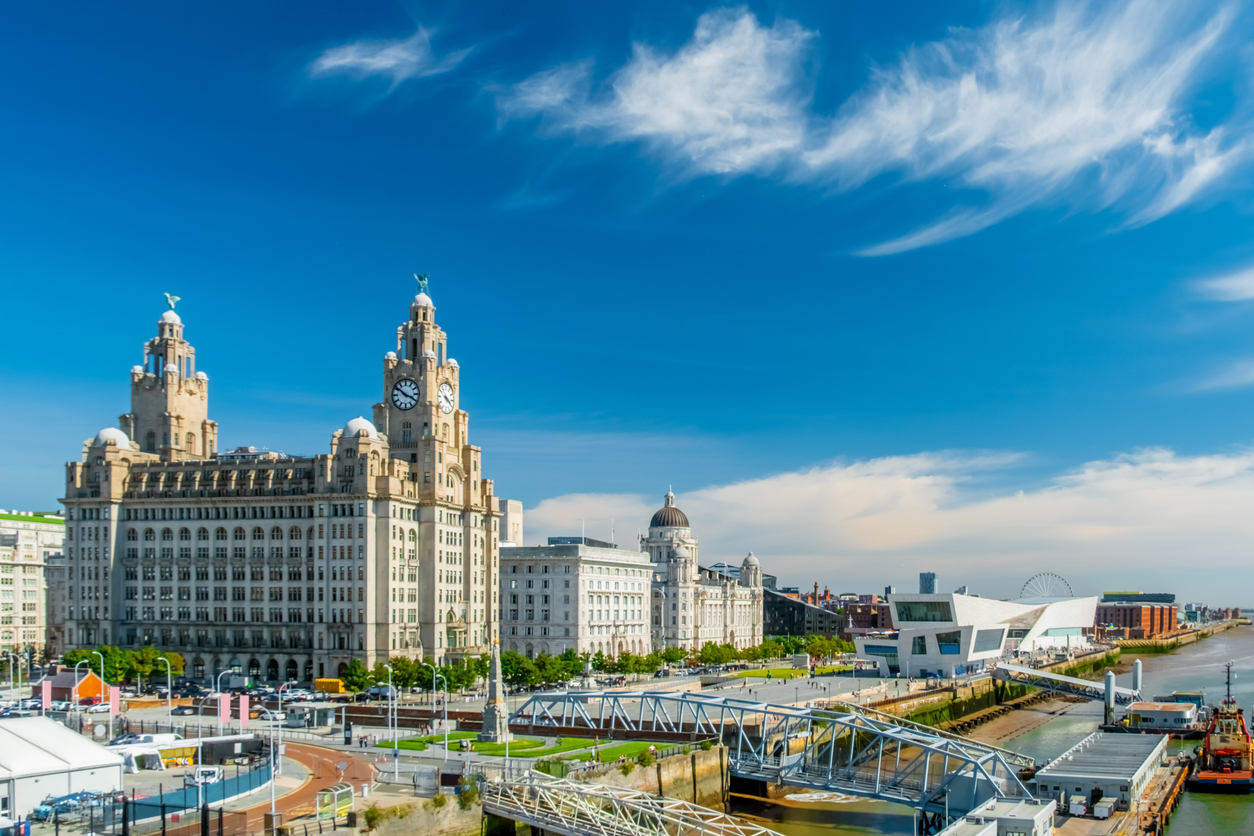
With its long history of manufacturing as well as its role as a major port, the Liverpool region has a high incidence of asbestos being used in the construction of public and private buildings. Unfortunately, this includes some of the city’s iconic public buildings. In 2023, a report revealed that more than 100 of Liverpool’s most well-known landmarks still contain asbestos.
With asbestos also being used extensively in shipbuilding, as well as in factories and construction projects across the region, the North West is a focal point for asbestos-related illnesses. That includes mesothelioma, a type of lung cancer caused by asbestos exposure. The region was named by the HSE as one of those most affected by deaths linked to asbestos exposure in the period from 1981-2021.
For businesses in the Liverpool region, this means asbestos is an issue you need to tackle head-on. And doing that safely and efficiently means working with trusted asbestos removal experts.
Work with Liverpool’s asbestos removal experts
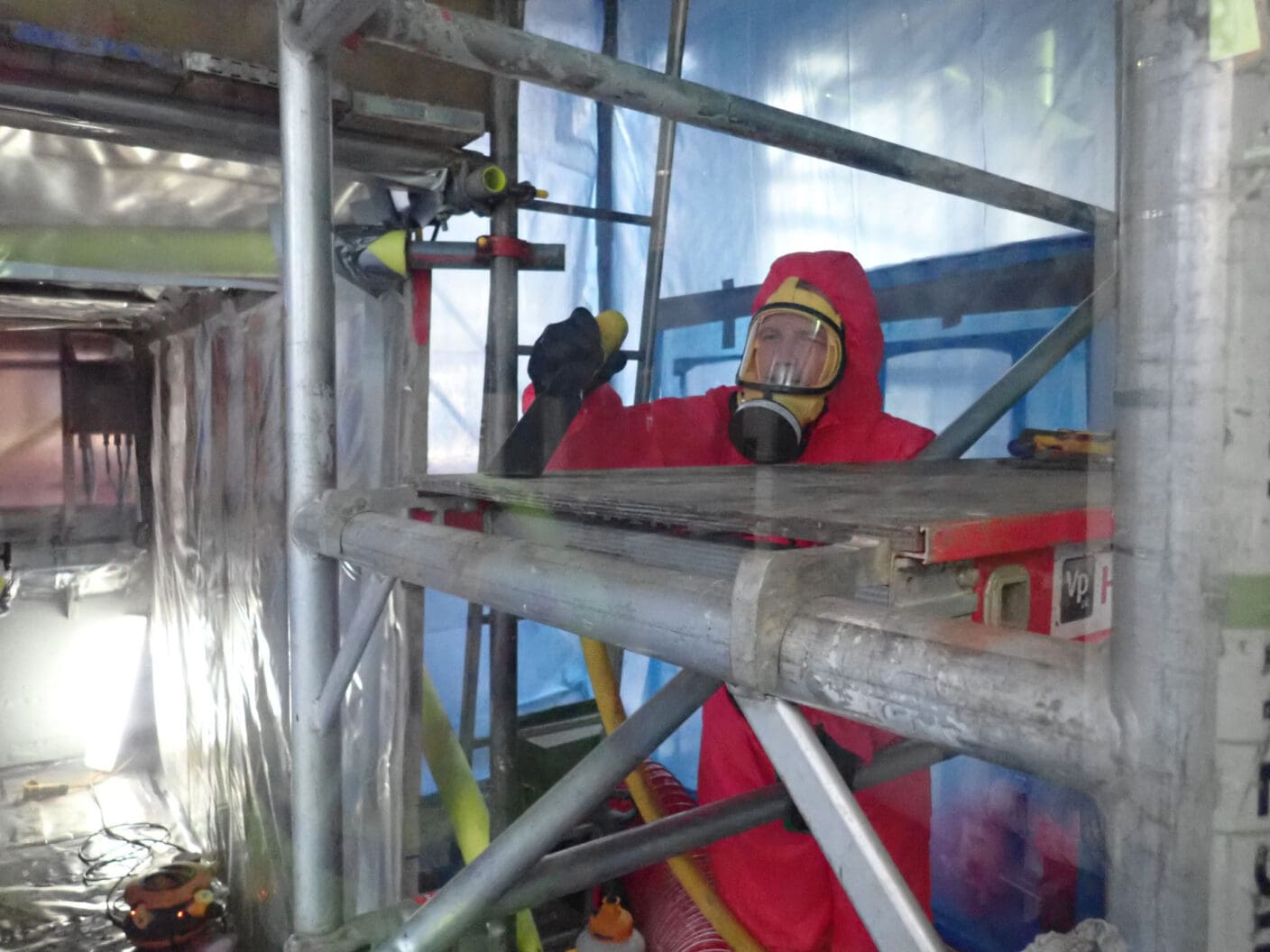
Asbestos removal and remediation is a complex, sensitive and highly regulated process. Done without appropriate care, it can lead to significant health risks – as well as legal repercussions. That’s why it’s essential that you work with a reliable, transparent and experienced asbestos removal company.
Here at ACT, we’ve been helping businesses, government bodies and public organisations throughout the North West to tackle their asbestos challenges for 25 years. With our head office based in Liverpool, we’re committed to supporting our local community – and that means helping businesses across the region to protect themselves, their staff and their customers from the risks of asbestos exposure.
Our asbestos services
Asbestos encapsulation
Asbestos disposal
Reinstatement works
Industrial cleaning
Emergency call-outs
Liverpool Case Studies

An historic Grade 1 listed cathedral
Liverpool Cathedral isn’t just an instantly recognisable landmark – it’s also the largest religious building in Britain. Unfortunately, it was constructed at a time when the use of asbestos was common.

An iconic commercial building
We were responsible for tackling a challenging asbestos removal project at the Capital Building, one of Liverpool’s most well-known and recognisable city centre buildings.

A global pharmaceutical company
Complex asbestos encapsulation and removal works throughout Elanco’s high-security manufacturing site in Liverpool.

Grade II listed city council headquarters
Decontamination and encapsulation project throughout the basement of a council headquarters, Grade II* listed building.
Find out how we can help your business
FAQs
What are the risks of asbestos?
Asbestos was once a popular building material due to its strength, fire resistance, and insulating properties. Unfortunately, it’s now recognized as a serious health hazard. When asbestos-containing materials are damaged or disturbed (such as during renovations), they release microscopic fibres into the air. These fibres, if inhaled, can lodge within the lungs and, over time, lead to severe and often fatal diseases like asbestosis, lung cancer and mesothelioma.
A number of different types of asbestos were used in the UK beginning in the late 19th century. Blue and brown asbestos pose the greatest risks to health, and were banned in the UK in 1985. White asbestos, which is less dangerous but can still lead to serious illnesses, was banned in 1999. As a result, many buildings in the UK built prior to 1999 contain asbestos, posing a risk to anyone who makes use of the premises.
Why is asbestos so prevalent in the Liverpool region?
Liverpool’s industrial history plays a significant role in the prevalence of asbestos in the region. Its shipbuilding and manufacturing sectors relied heavily on asbestos for its insulating and fire-resistant properties. Decades of industrial activity have left a legacy of asbestos in many older buildings across the region.
As a major port city, Liverpool was a hub for importing and handling raw asbestos, further contributing to its widespread use in construction. Liverpool also boasts a significant number of historic and older buildings, many constructed during the height of asbestos usage. These older structures naturally have a higher likelihood of containing asbestos-containing materials.
Additionally, Liverpool suffered extensive damage during the Second World War. The post-war reconstruction efforts often prioritised readily available materials, which may have included asbestos-containing products.
While asbestos is particularly prevalent in Liverpool, it’s crucial to remember that it was a common building material throughout the UK before its ban. Therefore, taking precautions and seeking professional assessments are important regardless of location, especially when dealing with older buildings.
Does all asbestos need to be removed?
Not always. Whether asbestos requires removal depends on factors like its type, condition, location, and the potential for it to be disturbed. In many cases, complete removal of asbestos is the safest and most effective course of action. This is recommended for severely damaged or friable asbestos-containing materials (ACMs), or if they’re located in high-traffic areas where disturbance is likely.
If the ACM is in good condition and unlikely to be damaged, encapsulation might be a suitable alternative to removal. Encapsulation involves sealing or coating the material with a special substance, creating a barrier that prevents fibre release.
The best way to determine the most appropriate course of action is always to consult qualified asbestos professionals. They can assess the specific situation in your building and advise on whether removal, encapsulation, or management is the safest and most effective solution.
How can I tell if a building has asbestos issues?
Unfortunately, it’s very difficult for an untrained person to definitively identify asbestos-containing materials by sight alone. Asbestos was often used in a wide array of building products and can be hidden in places where it might not be immediately obvious. Insulation materials, floor and ceiling tiles, textured coatings, roofing materials, cement products, and even fireproofing materials could contain asbestos.
While the age of a building can be a strong indicator of potential asbestos presence, there’s no substitute for a professional assessment. Qualified asbestos surveyors possess the knowledge and tools to properly identify different types of asbestos, assess their condition, and locate hidden hazards. Attempting to investigate or sample potential asbestos materials yourself poses a risk of accidental fibre release, which is why professionals are trained in safe handling and sampling procedures.
What are the regulations around asbestos abatement?
Asbestos abatement in the UK is strictly governed by the Control of Asbestos Regulations 2012. These regulations are designed to protect workers and the public from the dangers of asbestos exposure. Building owners and those responsible for non-domestic premises have a legal obligation to identify, assess the risks of, and manage any asbestos present.
Most work involving asbestos requires a licence from the Health and Safety Executive (HSE). This includes the removal of higher-risk asbestos materials like sprayed coatings, insulation, and asbestos lagging. Certain asbestos removal activities must be formally notified to the HSE in advance.
Licensed asbestos contractors must follow detailed procedures to control and minimise the release of asbestos fibres, including the use of specialised equipment, protective gear, and decontamination procedures. In many cases, air monitoring is required during and after asbestos removal to ensure safe levels before the area is reoccupied.
Does Liverpool City Council remove asbestos?
Unfortunately, as Liverpool City Council stress on their website, they do not offer asbestos sampling, analysis or removal services. As a result, businesses in the Liverpool region must find their own solutions to tackle asbestos in their premises.
Which areas does ACT cover for asbestos removal?
ACT has its head office in Liverpool and we provide asbestos removal and abatement services across the North West region, including:
- Manchester
- Birkenhead
- St. Helens
- Warrington
- Chester
- Ormskirk
- Ellesmere Port
- Preston
- Wigan
Additionally, though our head office is based in Liverpool, we do operate nationally. As a result, we can support your asbestos needs wherever you are based. Simply get in touch and discuss your requirements with one of our friendly and knowledgeable team.